
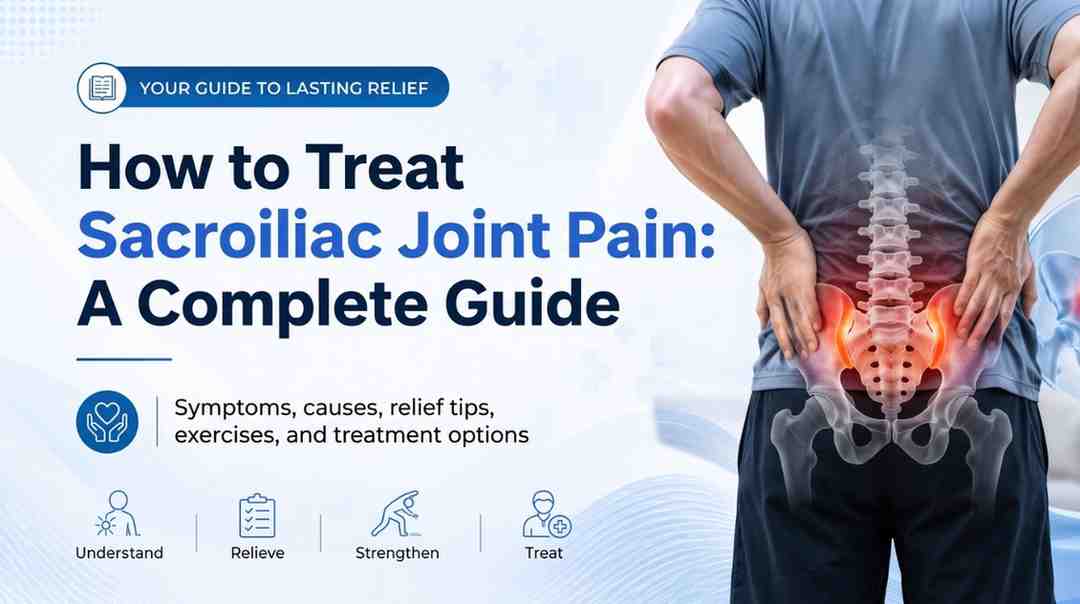
How to Treat Sacroiliac Joint Pain: A Complete Guide
What is the Treatment for Sacroiliac Joint Pain?
Sacroiliac (SI) joint pain is a common condition that affects the joint connecting the lower spine to the pelvis. This pain can make simple activities such as walking, standing for long periods, climbing stairs, or even sitting uncomfortable. Understanding what is the treatment for sacroiliac joint pain is important for achieving long-term relief and improving mobility. Many people searching for what is the treatment for sacroiliac joint pain are often looking for effective solutions that address both the symptoms and the root cause. The good news is that a combination of lifestyle changes, physical therapy, natural remedies, and medical interventions can help manage the condition successfully.
Understanding Sacroiliac Joint Pain
The sacroiliac joints are located on both sides of the lower spine where the sacrum meets the iliac bones of the pelvis. These joints play a crucial role in absorbing shock and transferring body weight between the upper body and legs.
When the SI joint becomes inflamed, irritated, or dysfunctional, it can lead to:
- Lower back pain
- Pain in the hips or buttocks
- Groin discomfort
- Pain radiating down the legs
- Stiffness and reduced mobility
Knowing what the treatment for sacroiliac joint pain is begins with identifying the underlying cause, which may include injury, arthritis, pregnancy-related changes, poor posture, or repetitive stress.
How to Treat Sacroiliac Joint Pain
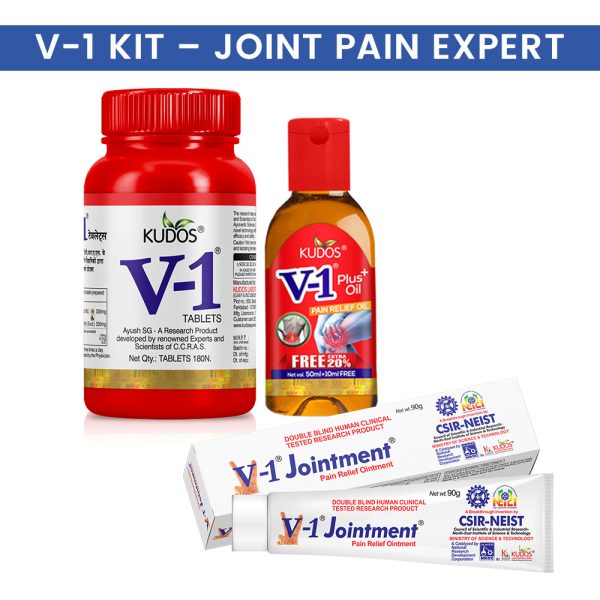
Buy Now
One of the most common questions patients ask is How to Treat Sacroiliac Joint Pain effectively. Treatment usually depends on the severity and cause of the condition.
1. Physical Therapy and Exercise
Physical therapy is often considered a first-line approach for SI joint issues. A trained therapist can recommend exercises that:
- Strengthen the core muscles
- Improve pelvic stability
- Increase flexibility
- Correct posture and movement patterns
Regular stretching and strengthening exercises can significantly reduce pain and prevent recurrence.
2. Lifestyle Modifications
Making small adjustments in daily activities can help reduce stress on the SI joints:
- Avoid prolonged sitting or standing
- Maintain a healthy weight
- Use proper lifting techniques
- Practice good posture
These changes are often recommended when discussing how to Treat Sacroiliac Joint Pain naturally and effectively.
Best Treatment for SI Joint Pain
Many patients want to know the Best Treatment for SI Joint Pain. While there is no single solution that works for everyone, the most effective treatment plans often combine multiple approaches.
Conservative Treatments
The Best Treatment for SI Joint Pain often starts with conservative management, including:
- Rest and activity modification
- Heat and cold therapy
- Gentle stretching
- Physical therapy
- Anti-inflammatory measures
Early intervention can prevent the condition from becoming chronic and more difficult to manage.
Sacroiliac Joint Pain Relief Options
There are several Sacroiliac Joint Pain Relief Options available, depending on the severity of symptoms.
Heat and Cold Therapy
Applying ice during acute flare-ups may help reduce inflammation, while heat can relax tight muscles and improve blood circulation.
Supportive Devices
Pelvic belts and supportive braces can stabilise the joint and reduce discomfort during movement.
Manual Therapy
Chiropractic adjustments, osteopathic manipulation, and therapeutic massage may provide temporary relief for some individuals.
These Sacroiliac Joint Pain Relief Options can be valuable components of a comprehensive treatment plan.
SI Joint Dysfunction Treatment
When pain persists despite conservative measures, more advanced SI Joint Dysfunction Treatment options may be considered.
Medications
Doctors may recommend:
- Nonsteroidal anti-inflammatory drugs (NSAIDs)
- Muscle relaxants
- Pain-relieving medications when appropriate
Injection Therapy
Corticosteroid injections into the SI joint may help reduce inflammation and provide temporary pain relief.
Advanced Procedures
For severe cases that do not respond to other therapies, minimally invasive surgical procedures may be considered as part of SI Joint Dysfunction Treatment.

Buy Now
How to Relieve Sacroiliac Joint Pain Naturally
Many individuals prefer learning How to Relieve Sacroiliac Joint Pain Naturally before considering invasive treatments.
Gentle Yoga and Stretching
Specific yoga poses and stretching routines can improve flexibility and reduce pressure on the SI joints.
Weight Management
Maintaining a healthy body weight reduces stress on the lower back and pelvic joints.
Anti-Inflammatory Diet
Foods rich in antioxidants and anti-inflammatory compounds may support joint health. These include:
- Turmeric
- Ginger
- Leafy green vegetables
- Berries
- Nuts and seeds
These strategies are commonly recommended for people seeking How to Relieve Sacroiliac Joint Pain Naturally while supporting overall musculoskeletal health.
Ayurvedic Perspective on Sacroiliac Joint Pain
According to Ayurveda, sacroiliac joint pain is often associated with an imbalance of Vata Dosha, which governs movement and joint function. Ayurvedic management may include:
- Herbal formulations
- Therapeutic oil massage (Abhyanga)
- Panchakarma therapies
- Dietary modifications
- Lifestyle adjustments
Ayurvedic care focuses on addressing the root cause rather than merely suppressing symptoms, making it a complementary approach for those exploring holistic options.
Conclusion
If you are wondering what treatment is for sacroiliac joint pain, the answer depends on the underlying cause and severity of the condition. Treatment may include physical therapy, exercise, lifestyle modifications, medications, injections, or holistic approaches such as Ayurveda. Understanding what is the treatment for sacroiliac joint pain and seeking timely professional guidance can help reduce discomfort, improve mobility, and enhance overall quality of life. Whether you are looking for How to Treat Sacroiliac Joint Pain, searching for the Best Treatment for SI Joint Pain, exploring Sacroiliac Joint Pain Relief Options, considering SI Joint Dysfunction Treatment, or learning How to Relieve Sacroiliac Joint Pain Naturally, a personalised treatment plan offers the best chance for lasting relief.
FAQs – Frequently Asked Questions
1. How to unlock the SI joint by yourself?
Gentle stretching exercises, pelvic tilts, knee-to-chest stretches, and yoga poses may help improve SI joint mobility and reduce stiffness. Along with regular movement, many people also choose Ayurvedic joint-support formulations from Kudos Ayurveda to help support overall joint comfort and mobility.
2. What are the best sacroiliac joint pain exercises?
Pelvic tilts, bridge exercises, hamstring stretches, hip flexor stretches, and core-strengthening exercises are among the most effective sacroiliac joint pain exercises. Combining exercise with Ayurvedic joint care products from Kudos Ayurveda may help support long-term joint health and flexibility.
3. What should you not do with sacroiliac joint pain?
Avoid heavy lifting, prolonged sitting, sudden twisting movements, poor posture, and high-impact activities that increase discomfort. Supporting your joints with a healthy lifestyle and Ayurvedic wellness products from Kudos Ayurveda may help promote better mobility.
4. Is walking good for sacroiliac joint pain?
Yes, walking is generally considered beneficial for sacroiliac joint pain because it helps maintain flexibility and strengthens supporting muscles without excessive strain. Pairing regular walking with Ayurvedic joint-support supplements from Kudos Ayurveda may further support joint wellness.
5. What is the treatment for sacroiliac joint pain according to the NHS?
NHS guidance typically includes exercise, physiotherapy, pain management, posture correction, and lifestyle modifications. In addition to these measures, some individuals explore Ayurvedic approaches and herbal formulations offered by Kudos Ayurveda for complementary support.
6. How can I get SI joint pain relief at home?
Home remedies for SI joint pain relief include hot and cold therapy, stretching exercises, proper posture, supportive cushions, and adequate rest. Ayurvedic oils and herbal formulations from Kudos Ayurveda may also help support joint comfort as part of a holistic wellness routine.
7. How should I sit with SI joint pain?
Sit with both feet flat on the floor, maintain a neutral spine, and use proper lumbar support. Avoid crossing your legs and take regular breaks from sitting. Supporting joint health with Ayurvedic care from Kudos Ayurveda may complement these posture improvements.
8. What is the best sleeping position for sacroiliac joint pain relief?
Sleeping on your side with a pillow between your knees is often recommended. Back sleepers may benefit from placing a pillow beneath the knees. For additional support, some individuals use Ayurvedic wellness products from Kudos Ayurveda as part of their daily joint-care routine.
9. Can Ayurveda help with SI joint dysfunction treatment?
Ayurveda focuses on balancing the body’s natural energies and may include herbal formulations, therapeutic oil massages, Panchakarma therapies, and lifestyle modifications. Kudos Ayurveda offers Ayurvedic products designed to support joint health, flexibility, and overall well-being.
10. How to relieve sacroiliac joint pain naturally?
Natural approaches include yoga, stretching, maintaining a healthy weight, following an anti-inflammatory diet, and practicing good posture. Ayurvedic joint-support products from Kudos Ayurveda may also help support comfort, mobility, and long-term joint health when combined with a healthy lifestyle.