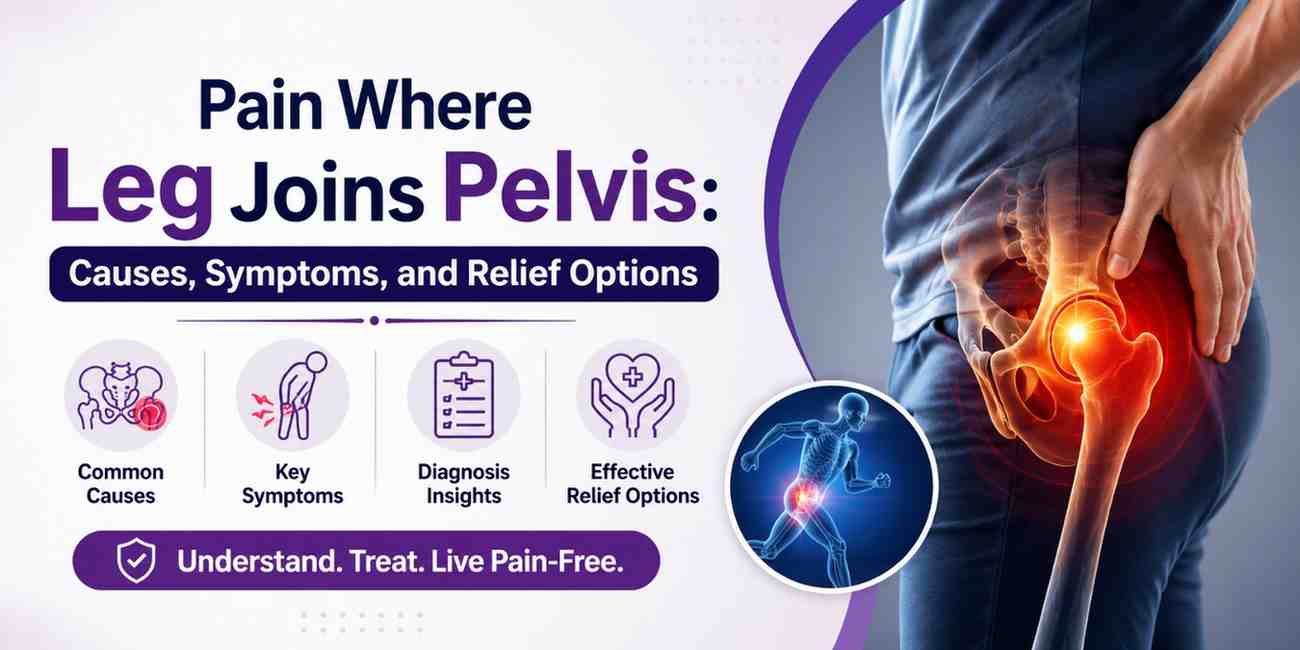
Pain Where Leg Joins Pelvis: Causes, Symptoms, and Relief Options
Experiencing pain at the point where the leg joins the pelvis can make everyday activities uncomfortable. Whether you’re walking, climbing stairs, exercising, or simply getting up from a chair, pain around the hip and groin region can affect your mobility and quality of life. Many people describe this discomfort as groin pain near the hip joint, while others notice pain where the thigh meets the pelvis or discomfort in the upper inner thigh. Understanding the possible causes can help you take the right steps toward relief and recovery.
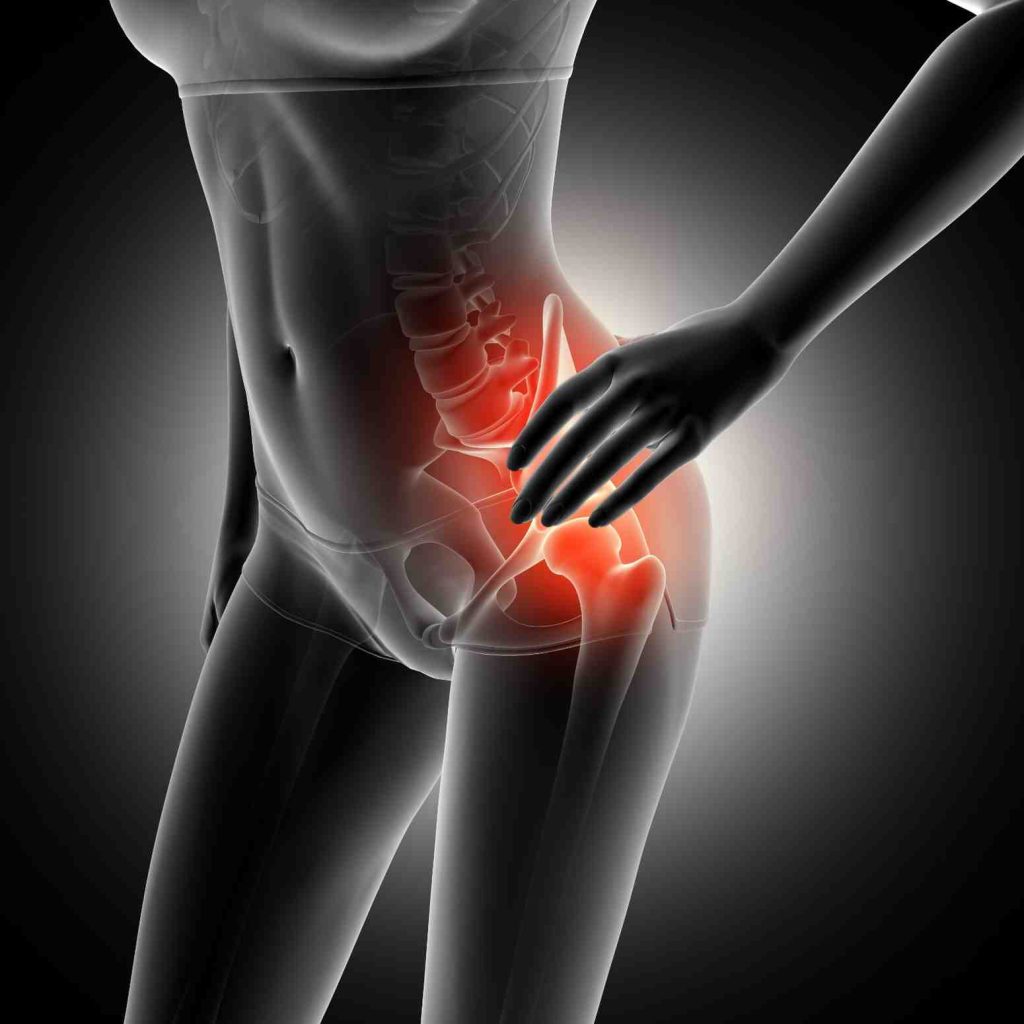
What Causes Pain Where the Leg Joins the Pelvis?
The area where the leg joins the pelvis contains muscles, tendons, ligaments, and the hip joint itself. Pain in this region may result from muscle strain, overuse, joint stiffness, or repetitive movements.
Common causes include:
- Groin muscle strain
- Hip flexor tightness
- Sports injuries
- Repetitive movements
- Joint stiffness
- Prolonged sitting
- Poor posture
- Reduced flexibility
- Age-related wear and tear
The severity of symptoms often depends on the underlying cause and how long the condition has been present.
Groin Pain Near Hip Joint: Why Does It Happen?
Groin pain near the hip joint is one of the most common complaints among active individuals and office workers alike. Since the hip and groin are closely connected, irritation in one area can easily affect the other.
You may experience discomfort while:
- Walking
- Running
- Climbing stairs
- Getting into a car
- Standing after prolonged sitting
- Exercising
In many cases, muscle tightness and reduced flexibility place extra stress on the hip joint and surrounding tissues, leading to recurring discomfort.
Pain Where Thigh Meets Pelvis
Pain at the junction of the thigh and pelvis often occurs when the muscles and tendons around the hip become strained or irritated. Athletes, runners, cyclists, and people involved in physically demanding work commonly experience this type of pain.
Symptoms may include:
- Tenderness around the hip region
- Pain during movement
- Muscle tightness
- Reduced flexibility
- Difficulty lifting the leg
Ignoring these symptoms may lead to worsening discomfort and reduced mobility over time.
Hip and Groin Pain: Understanding the Connection
Hip and groin pain frequently occur together because several muscles connect the pelvis, hip, and upper thigh. Problems affecting one structure can create discomfort throughout the entire area.
Common triggers include:
- Sudden changes in direction
- Heavy lifting
- Overtraining
- Sports-related strain
- Muscle overuse
- Long periods of inactivity
People often notice pain during exercise or after spending long hours sitting at a desk.
Upper Inner Thigh Pain Near Pelvis
Upper inner thigh pain near the pelvis is often linked to the adductor muscles. These muscles help bring the legs together and stabilise the pelvis during movement.
Potential causes include:
- Muscle strain
- Overstretching
- Athletic activities
- Repetitive movements
- Poor warm-up habits
Common symptoms include:
- Tenderness in the inner thigh
- Pain while walking
- Difficulty changing direction
- Reduced flexibility
- Discomfort during exercise
Early attention to these symptoms may help prevent long-term movement limitations.
Hip Flexor Pain Symptoms You Should Know
The hip flexor muscles connect the pelvis to the upper leg and play an important role in walking, running, and lifting the knee.
Common hip flexor pain symptoms include:
- Pain at the front of the hip
- Groin discomfort during movement
- Difficulty lifting the leg
- Tightness after sitting
- Reduced flexibility
- Pain while climbing stairs
- Discomfort during physical activity
Hip flexor pain is particularly common among runners, cyclists, gym enthusiasts, and individuals who spend long hours sitting.
How to Relieve Hip and Groin Discomfort
Several lifestyle measures may help support comfort and mobility:
Stay Active
Regular movement helps maintain flexibility and supports healthy joints.
Stretch Regularly
Gentle stretching can help reduce tightness in the hip flexors and groin muscles.
Avoid Prolonged Sitting
Taking movement breaks throughout the day can help prevent stiffness.
Maintain a Healthy Weight
Excess weight may increase stress on the hips and pelvis.
Support Muscle and Joint Wellness
Many individuals include supportive wellness products such as V1 Jointment for muscle discomfort and Rheumatica Oil, V-1 Tablets, and Rheumatica Gold Capsules as part of their long-term joint wellness routine.
Final Thoughts
Pain where the leg joins the pelvis, groin pain near the hip joint, pain where the thigh meets the pelvis, hip and groin pain, and upper inner thigh pain near the pelvis can result from muscle strain, hip flexor tightness, repetitive movements, or joint-related issues.
Recognising symptoms early and supporting flexibility, mobility, and muscle recovery can help reduce discomfort and improve movement. Along with regular exercise and healthy lifestyle habits, supportive Ayurvedic wellness products may help maintain long-term muscle and joint health.
Meta Title: Pain Where Leg Joins Pelvis: Causes of Hip and Groin Pain
Meta Description: Learn the causes of pain where the leg joins the pelvis, groin pain near the hip joint, upper inner thigh pain near the pelvis, and hip flexor pain symptoms. Discover relief options and supportive wellness solutions.
Frequently Asked Questions (FAQs)
1. What causes pain in the upper thigh and groin area in females?
Pain in the upper thigh and groin area in females may be caused by muscle strain, hip flexor tightness, joint stiffness, repetitive physical activity, poor posture, or age-related wear and tear. In some cases, pelvic conditions or injuries involving the muscles surrounding the hip may also contribute to discomfort.
2. What causes hip pain that radiates down the leg at night?
Hip pain radiating down the leg at night may result from muscle tightness, joint stiffness, nerve irritation, prolonged inactivity, or underlying hip conditions. Symptoms often become more noticeable when lying down because the body is no longer distracted by daily movement.
3. Why do I feel pain where my leg meets my pelvis when walking?
Pain at the level of the pelvis, where the leg meets the pelvis when walking,g is commonly associated with hip flexor strain, groin muscle tightness, adductor muscle irritation, or hip joint stiffness. Walking places stress on the muscles and joints surrounding the pelvis, which may make existing discomfort more noticeable.
4. How can I relieve hip and leg pain naturally?
Relieving hip and leg pain often involves a combination of stretching, posture correction, maintaining a healthy weight, regular movement, and strengthening exercises. For muscle-related discomfort, many individuals use V1 Jointment as part of their wellness routine. When stiffness and mobility concerns are present, Rheumatica Oil is often used during massage to support joint comfort and flexibility.
5. What causes pain in the left hip area in females?
Pain in the left hip area in females may result from muscle strain, hip flexor tightness, joint stiffness, overuse injuries, prolonged sitting, or age-related changes in the hip joint. The exact cause varies from person to person and may require professional evaluation if symptoms persist.
6. What causes left side hip and leg pain in females?
Left-side hip and leg pain in females can result from muscle imbalances, joint stiffness, nerve irritation, sports injuries, repetitive movements, or prolonged sitting. In some cases, the discomfort may begin in the hip and radiate into the thigh or leg during movement.
7. What can cause hip pain in a woman?
Hip pain in women may develop due to muscle strain, reduced flexibility, joint wear and tear, poor posture, repetitive stress, pregnancy-related changes, or lifestyle factors. Maintaining mobility and supporting joint health may help reduce discomfort and improve movement over time.
8. What causes pelvic and hip pain in females?
Pelvic and hip pain in females may be associated with muscular strain, hip flexor tightness, joint stiffness, ligament stress, posture-related issues, or conditions affecting the pelvis and surrounding structures. Pain may worsen while walking, climbing stairs, exercising, or sitting for long periods.
9. When should I be concerned about hip, groin, or pelvic pain?
You should seek medical advice if pain becomes severe, affects walking, limits daily activities, follows an injury, causes swelling, or continues for several weeks despite rest and self-care measures. Early diagnosis can help identify the underlying cause and guide appropriate treatment.
10. What is the best treatment for recurring hip and groin pain?
Treatment depends on the underlying cause. Many individuals benefit from stretching, physical activity, posture improvement, and maintaining a healthy weight. For muscle discomfort, V1 Jointment may be used as part of a muscle-care routine. For stiffness and mobility concerns, many people incorporate Rheumatica Oil, V-1 Tablets, and Rheumatica Gold Capsules into their long-term approach to joint wellness.